

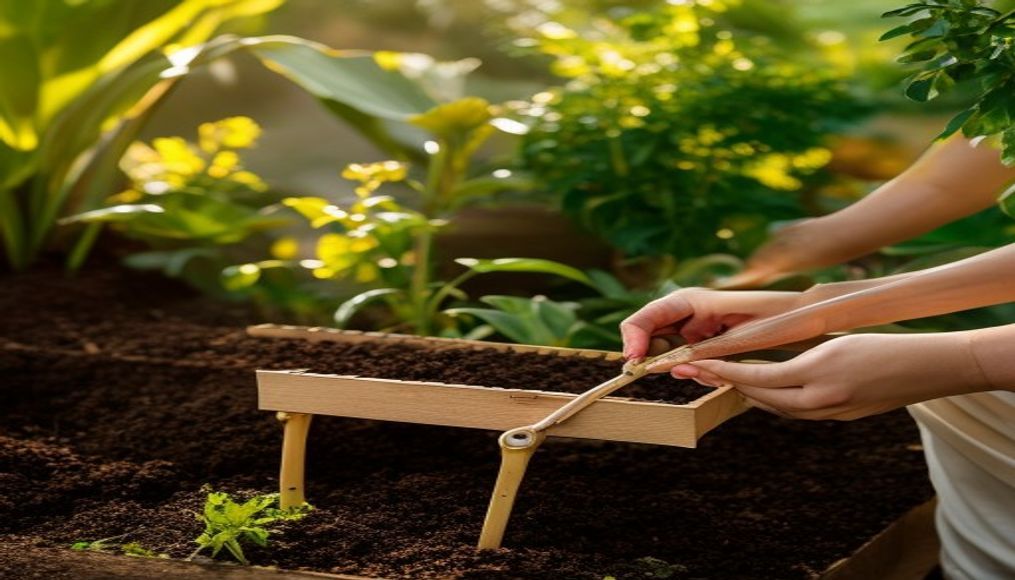
Starting a new landscaping project is exciting, but nothing stalls progress faster than running out of soil halfway through. Ordering too much topsoil wastes money, while ordering too little means paying extra delivery fees for a second batch. Knowing exactly how to calculate your topsoil needs saves time, budget, and physical effort.
Why Getting the Right Amount of Topsoil Matters
Using the correct depth of topsoil is crucial for the health of your plants, grass, and budget. If your topsoil layer is too thin, plant roots will struggle to find nutrients and moisture. Conversely, over-applying topsoil can lead to drainage issues and suffocate existing root systems. Calculating your needs beforehand ensures a healthy landscape and a cost-effective project.
Recommended Topsoil Depths by Project

Not every landscaping project requires the same amount of soil depth. Before you start measuring your area, you need to determine how deep your topsoil layer should be. Here are the industry standards for the most common outdoor projects.
1. New Lawns and Seeding
For establishing a healthy new lawn from seed or sod, you generally need a topsoil depth of four to six inches. This depth gives grass roots plenty of room to establish a strong, drought-resistant foundation. If your existing subsoil is high-quality, you might only need to till in two inches of fresh topsoil.
2. Flower Beds and Borders
Annuals and perennials thrive best when they have about six to eight inches of nutrient-rich topsoil. This depth accommodates their root systems and allows for proper water drainage around the plants. If you are planting larger shrubs in these beds, you may need to dig deeper local pockets of soil.
3. Vegetable Gardens
Vegetables are heavy feeders that require deep, loose soil to produce a bountiful harvest. Aim for a topsoil depth of eight to twelve inches for standard vegetable gardens. Root crops like carrots and potatoes especially benefit from this deeper, stone-free growing medium.
4. Raised Garden Beds
Raised beds usually require the most soil because they are completely separated from the ground beneath them. Depending on what you are planting, you will want to fill your raised beds to a depth of twelve to eighteen inches. Many gardeners mix topsoil with compost and organic matter to fill these deep containers.
The Three-Step Topsoil Calculation Formula
Calculating topsoil is a matter of simple geometry, but converting inches to feet can sometimes confuse homeowners. To find out how much soil you need, you must measure the length, width, and desired depth of your area. Once you have these three numbers, you can calculate the total volume in cubic yards.
Step 1. Measure the Area in Feet
First, measure the length and width of the area you want to cover using a standard tape measure. Multiply the length by the width to find the total square footage of your project area. For example, a garden bed that is ten feet wide and twenty feet long has an area of two hundred square feet.
Step 2. Convert Your Desired Depth to Feet
Since your length and width are in feet, your depth must also be in feet, not inches. To convert your desired depth from inches to feet, simply divide the number of inches by twelve. For example, if you need a depth of three inches, divide three by twelve to get zero point twenty-five feet.
Step 3. Multiply and Convert to Cubic Yards
Multiply your square footage by your depth in feet to get the total volume in cubic feet. Next, because bulk topsoil is sold by the cubic yard, divide your cubic feet total by twenty-seven. One cubic yard equals twenty-seven cubic feet, so this final step gives you the exact yardage to order.
A Real-World Calculation Example
Let us walk through a concrete example to see how this math works in a real backyard scenario. Imagine you want to top-dress a lawn area that measures thirty feet long by fifty feet wide. You have decided that a depth of two inches of fresh topsoil is perfect for this project.
First, multiply thirty feet by fifty feet to get an area of one thousand five hundred square feet. Next, convert your two-inch depth to feet by dividing two by twelve, which equals zero point one hundred sixty-seven feet. Now, multiply one thousand five hundred square feet by zero point one hundred sixty-seven feet to get two hundred fifty point five cubic feet.
Finally, divide two hundred fifty point five cubic feet by twenty-seven to convert the volume into cubic yards. This calculation gives you nine point twenty-eight cubic yards of topsoil. To be safe, you should round this number up to nine point five or ten cubic yards.
Bulk Soil vs Bagged Soil
Once you know how much topsoil you need, you must decide whether to buy it in bags or in bulk. This decision usually comes down to the size of your project and your budget. Both options have distinct advantages depending on your physical strength and transportation options.
1. When to Buy Bagged Soil
Bagged soil is ideal for small projects, container gardening, or quick touch-ups around the yard. Most standard soil bags contain one or two cubic feet of soil, which makes them easy to transport in a car trunk. However, buying bagged soil for large projects is highly inefficient and significantly more expensive per cubic yard.
2. When to Buy Bulk Soil
Bulk soil is the most cost-effective choice for any project requiring more than one cubic yard of material. Landscaping companies deliver bulk soil directly to your driveway using large dump trucks. While you will need to shovel and wheelbarrow the soil yourself, the cost savings compared to bags are substantial.
Crucial Factors That Affect Your Order
Simply running the mathematical formula is a great start, but real-world conditions require some flexibility. Professional landscapers always adjust their final numbers slightly to account for natural soil behavior. Keeping these extra factors in mind will prevent you from running short at the end of your project.
1. Soil Compaction and Settling
Freshly delivered topsoil is full of air pockets, making it fluffier than it will be after it is spread. Once you apply water, walk on the soil, or let it sit, it will compact by fifteen to twenty percent. To compensate for this natural settling, always add ten to fifteen percent to your final calculated total.
2. Irregularly Shaped Garden Beds
The standard length times width formula works perfectly for square and rectangular garden beds. If you have circular, curved, or triangular beds, the math becomes slightly more complex. For irregular shapes, it is usually easiest to treat the area as a rectangle using the maximum length and width, then subtract a small percentage.
3. Existing Soil Quality
The condition of your current dirt determines how much premium topsoil you actually need to purchase. If your yard has heavy clay or sandy soil, you might want to blend your new topsoil with the existing ground. In this case, you can often order less topsoil and instead invest in organic compost to amend your current dirt.
Tips for Receiving and Spreading Topsoil
Preparing for your topsoil delivery makes the physical labor of spreading it much easier and safer. Before the delivery truck arrives, select a flat, accessible spot on your driveway or lawn. Laying down a large plastic tarp beforehand makes cleanup much easier and prevents the soil from staining your concrete.
Make sure you have the following essential tools on hand before your soil delivery arrives:
- A heavy-duty wheelbarrow for transporting the soil
- A sturdy square shovel for scooping from the pile
- A bow rake for leveling the soil evenly
- A garden hose with a spray nozzle to settle the dirt
Spread the soil in shallow layers, lightly tamping it down as you go to prevent uneven settling later. If you are planting immediately, water the area thoroughly to help the new soil settle into place. This initial watering also helps identify any low spots that need extra soil before planting.
Conclusion
Calculating the right amount of topsoil does not have to be a guessing game that leaves you stressed. By measuring your project area carefully and applying the simple cubic yard formula, you can order with absolute confidence. Remember to account for settling by adding a small buffer to your final order. With the right amount of quality topsoil, your plants and lawn will have the perfect foundation to thrive for years to come.