

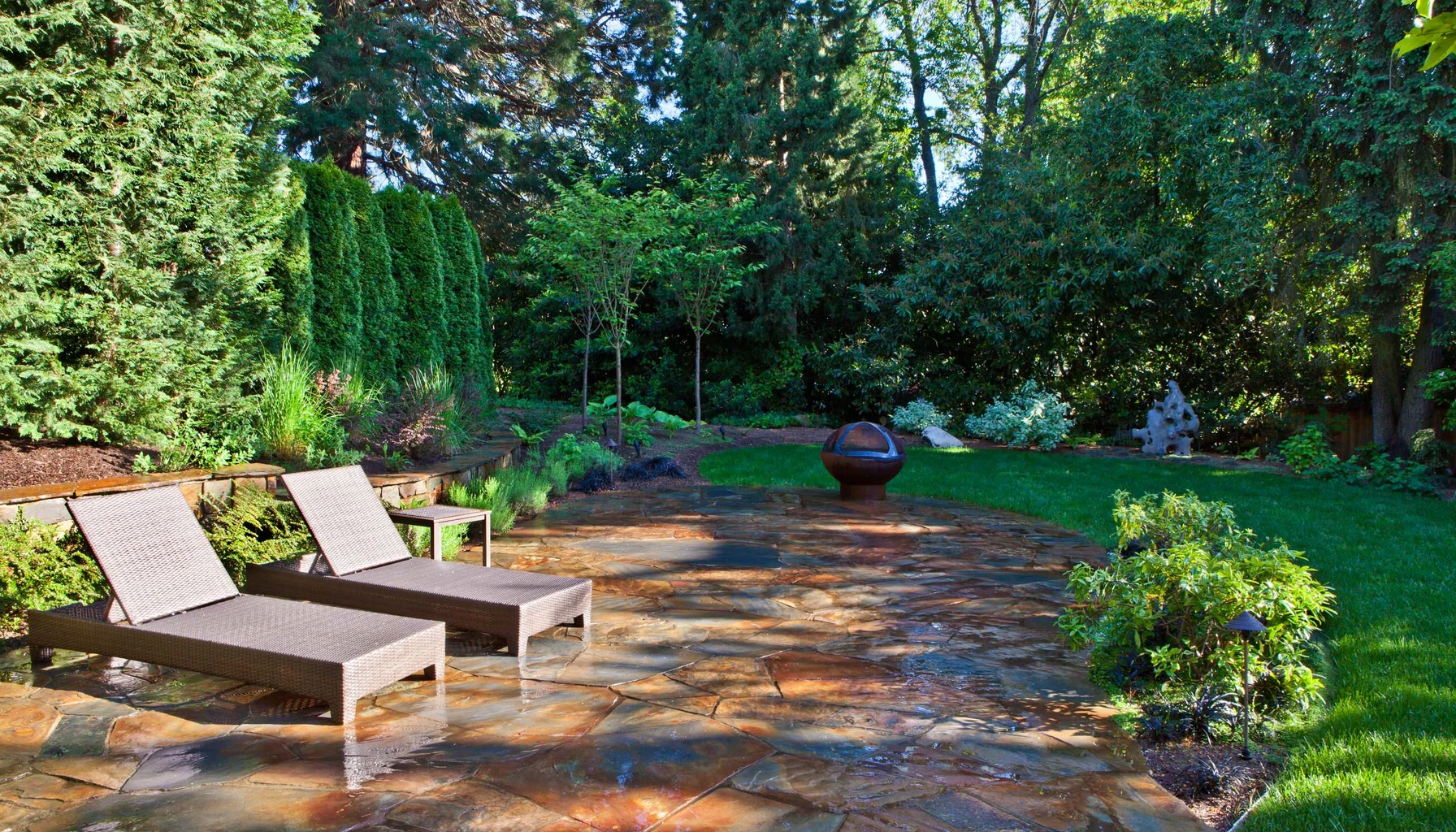
Executive Summary: Designing a backyard space requires balancing structural flooring, ambient lighting, and functional seating zones. Material choices like natural stone pavers or composite decking set the baseline cost at $15 to $35 per square foot, depending on local labor rates and site grading. Integrating built-in features and layered greenery maximizes usable outdoor living area year-round.
1. Natural Flagstone Paving
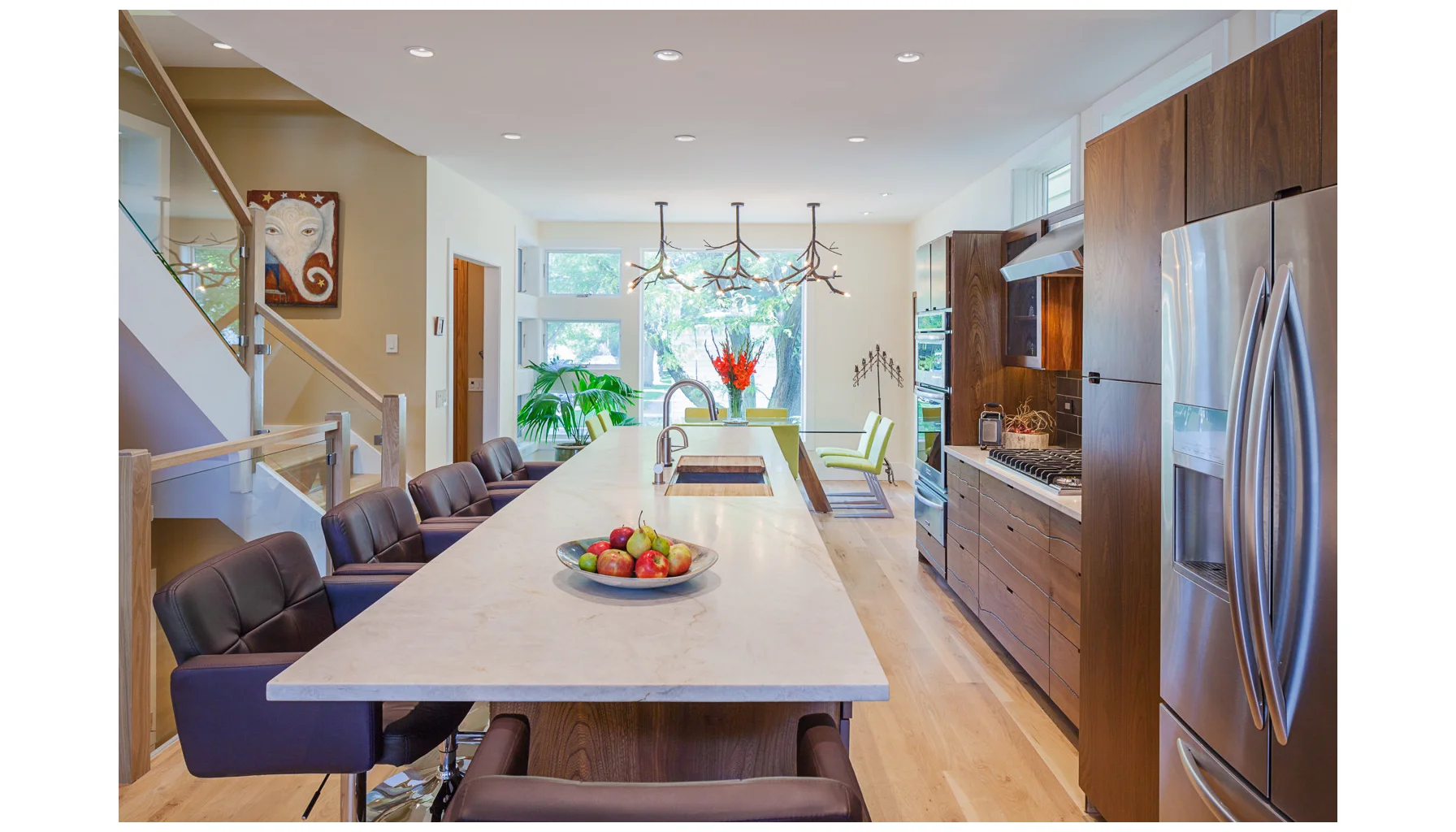
Bluestone or sandstone flagstone provides a rustic surface that withstands freeze-thaw cycles. Expect to pay $15 to $30 per square foot installed, though regional stone availability alters prices. Set stones over a 2-inch crushed stone base to prevent shifting over time.
2. Recessed Fire Pit Zone
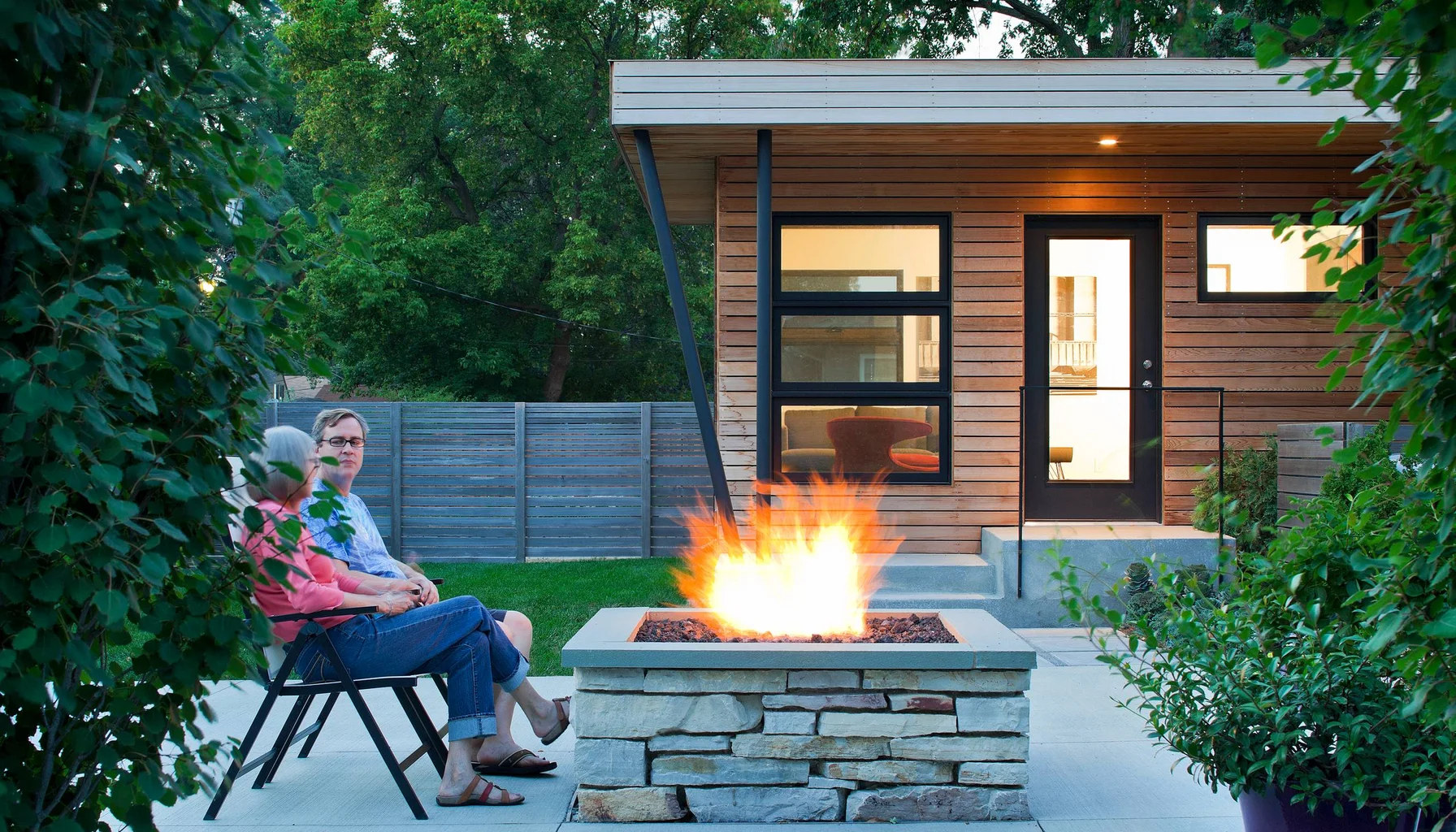
A dedicated fire pit area creates a central gathering point. Building with fire-rated kiln bricks and an outer wall of stacked ledger stone costs around $1,200 to $3,000. Keep seating at least 36 inches away from the rim for safe circulation.
3. Cedar Pergola Canopy
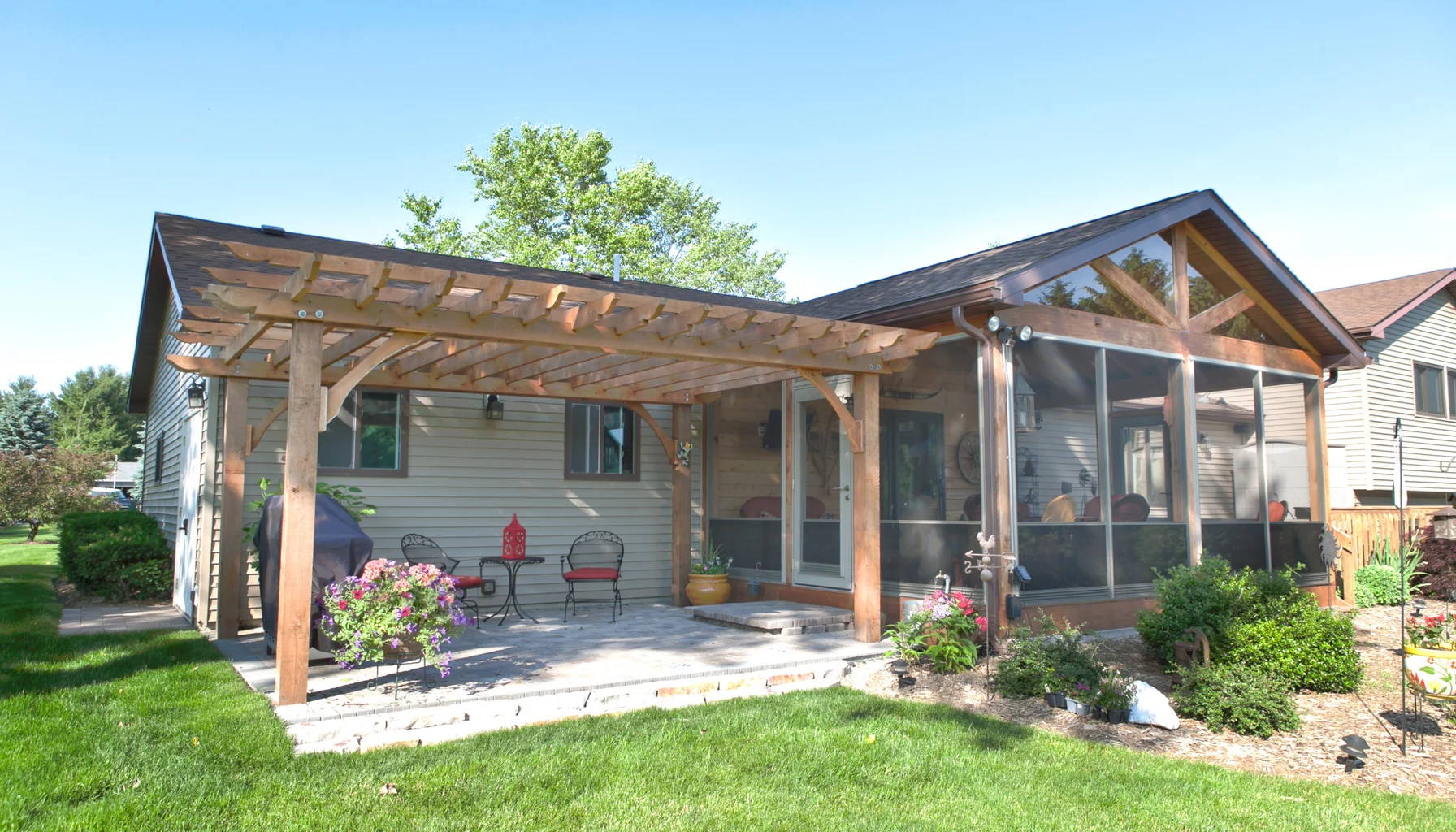
A western red cedar pergola filters harsh sunlight while defining an outdoor room. Installing an 8x10-foot frame costs roughly $2,500 in materials, varying by lumber grades. Expert Insight: Coat cedar with a clear penetrating oil sealant every 2 years to protect against moisture rot without losing natural wood color.
4. Built-In Masonry Seating
Perimeter benches made from concrete blocks and stone veneer eliminate bulky furniture clutter. Top them with custom 3-inch high-density foam cushions wrapped in Sunbrella fabric. Bench depth should sit at 18 inches for standard ergonomics.
5. Sunken Lounge Layout
Lowering a seating area 18 to 24 inches below grade creates intimacy and wind protection. Excavation and drainage work usually adds $4,000 to $8,000 to project totals. Ensure a functional gravity drain system or sump pump sits beneath the gravel bed to prevent water pooling.
6. Vertical Wall Planters
Mounted modular felt pockets or cedar trellis grids turn blank exterior walls into green surfaces. Fill them with creeping thyme, ferns, or pocket herbs. Vertical irrigation tubes dripping 0.5 gallons per hour keep roots hydrated without runoff.
7. Festoon Overhead Lighting
Stringing shatterproof Edison LED bulbs on a 16-gauge stainless steel aircraft cable prevents sagging across open spans. Space strands 3 to 4 feet apart to yield balanced light coverage. Opt for a 2700K warm white color temperature to match traditional ambient lamps.
8. Gravel and Stepping Stones
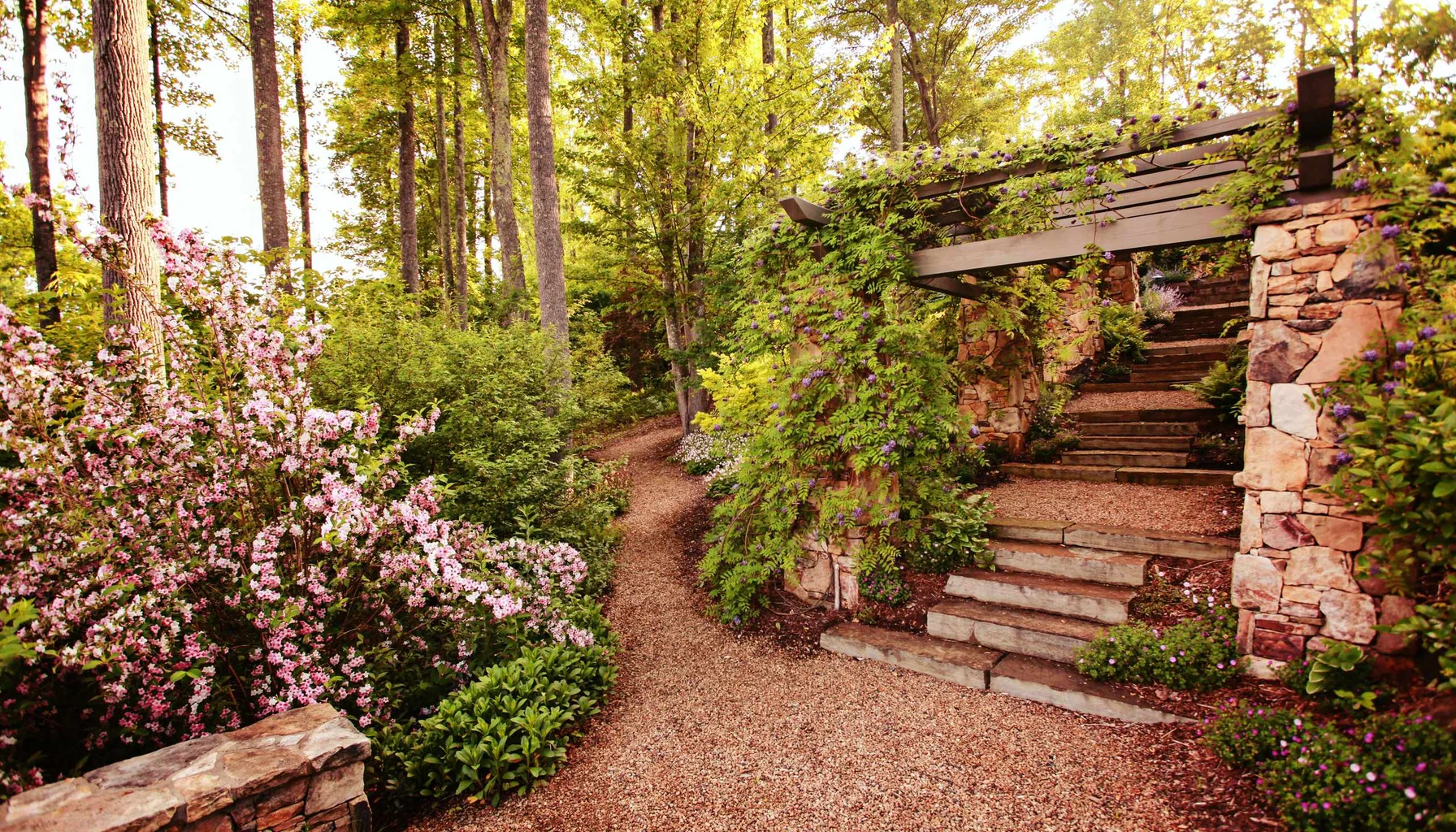
Combining 3/8-inch pea gravel with oversized slate pavers slashes material expenses down to $5 to $10 per square foot. Lay a heavy-duty non-woven geotextile fabric underneath to stop weed germination. Pro Tip: Keep gravel depths to 2 inches maximum; deeper beds make walking difficult.
9. Outdoor Dining Nook
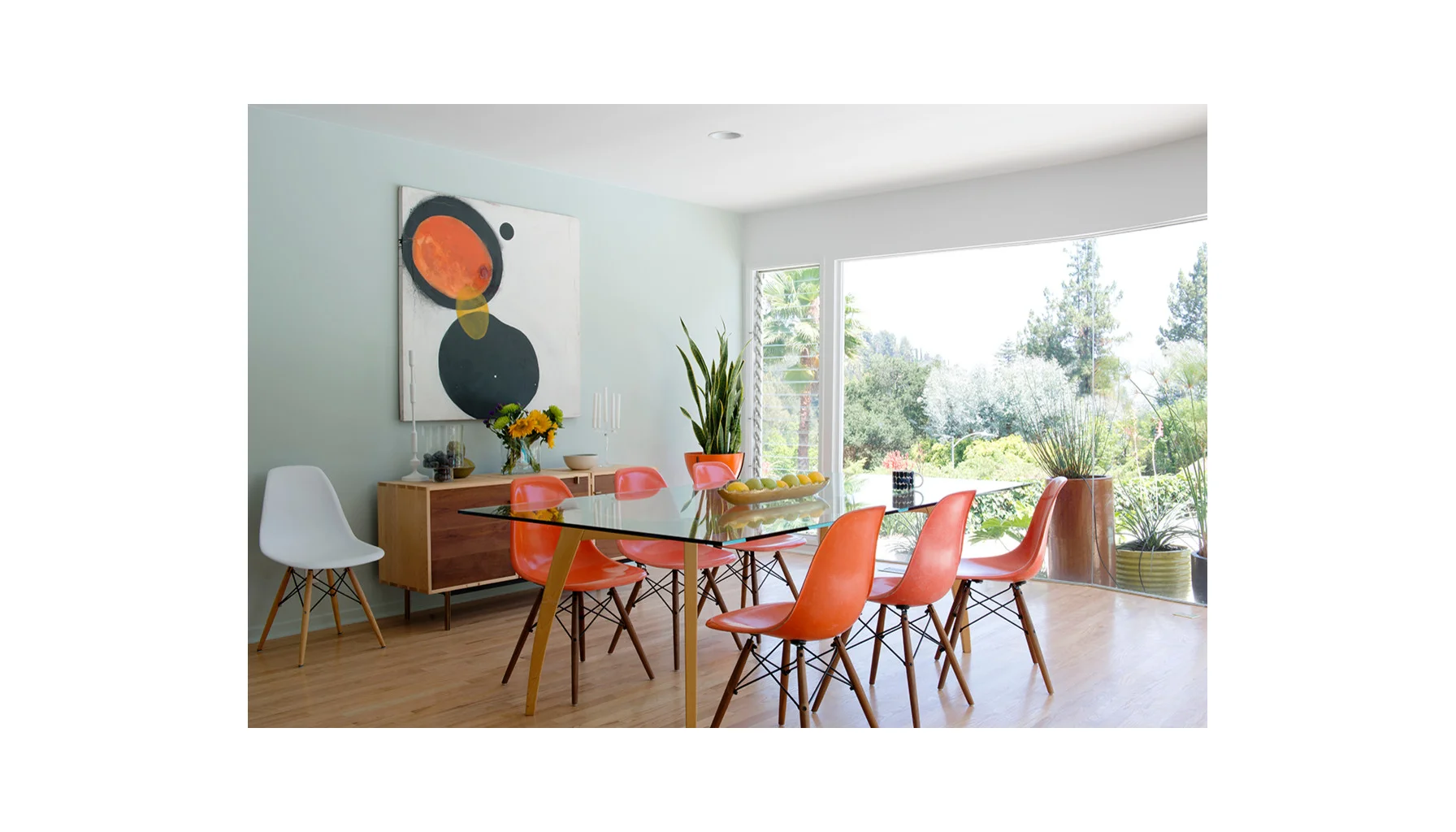
Positioning a teak wood dining table near kitchen access routes streamlines outdoor meals. Allow at least 48 inches of clearance around seating for chair pullback. Teak naturally resists weather, though oiling it twice yearly keeps its honey hue.
10. Porcelain Tile Flooring
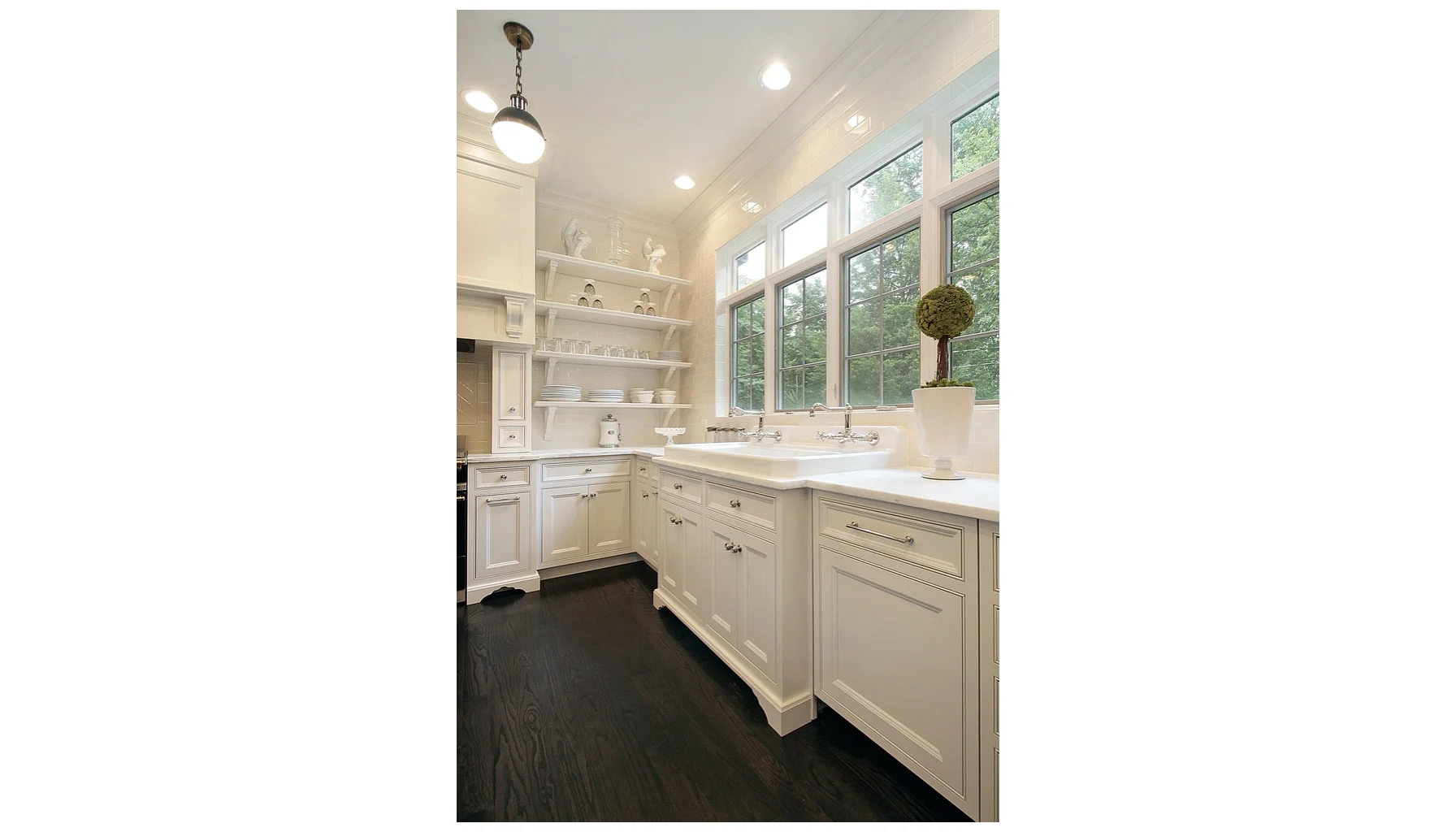
Exterior-grade 20mm porcelain pavers resist staining, scratching, and moisture absorption better than traditional concrete. Installation averages $20 to $40 per square foot, including labor. Ensure tiles hold an R11 anti-slip rating for safety around wet spaces.
11. Raised Bed Borders
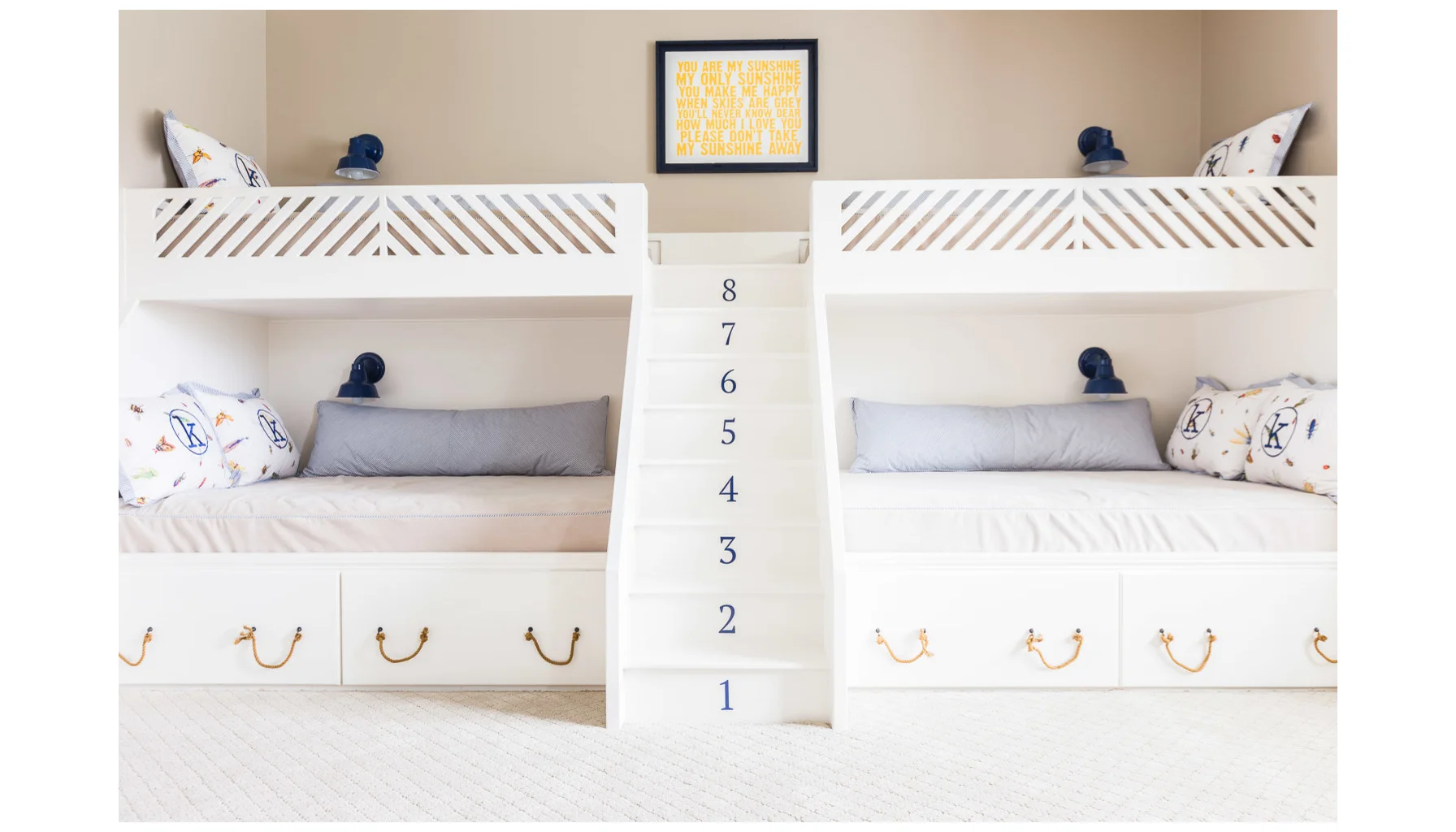
Enclosing the perimeter with corten steel planters or stacked stone walls creates height variation. A height of 18 to 24 inches double functions as casual extra seating. Fill beds with well-draining sandy loam topsoil mixed with organic compost.
12. Water Fountain Focal Point
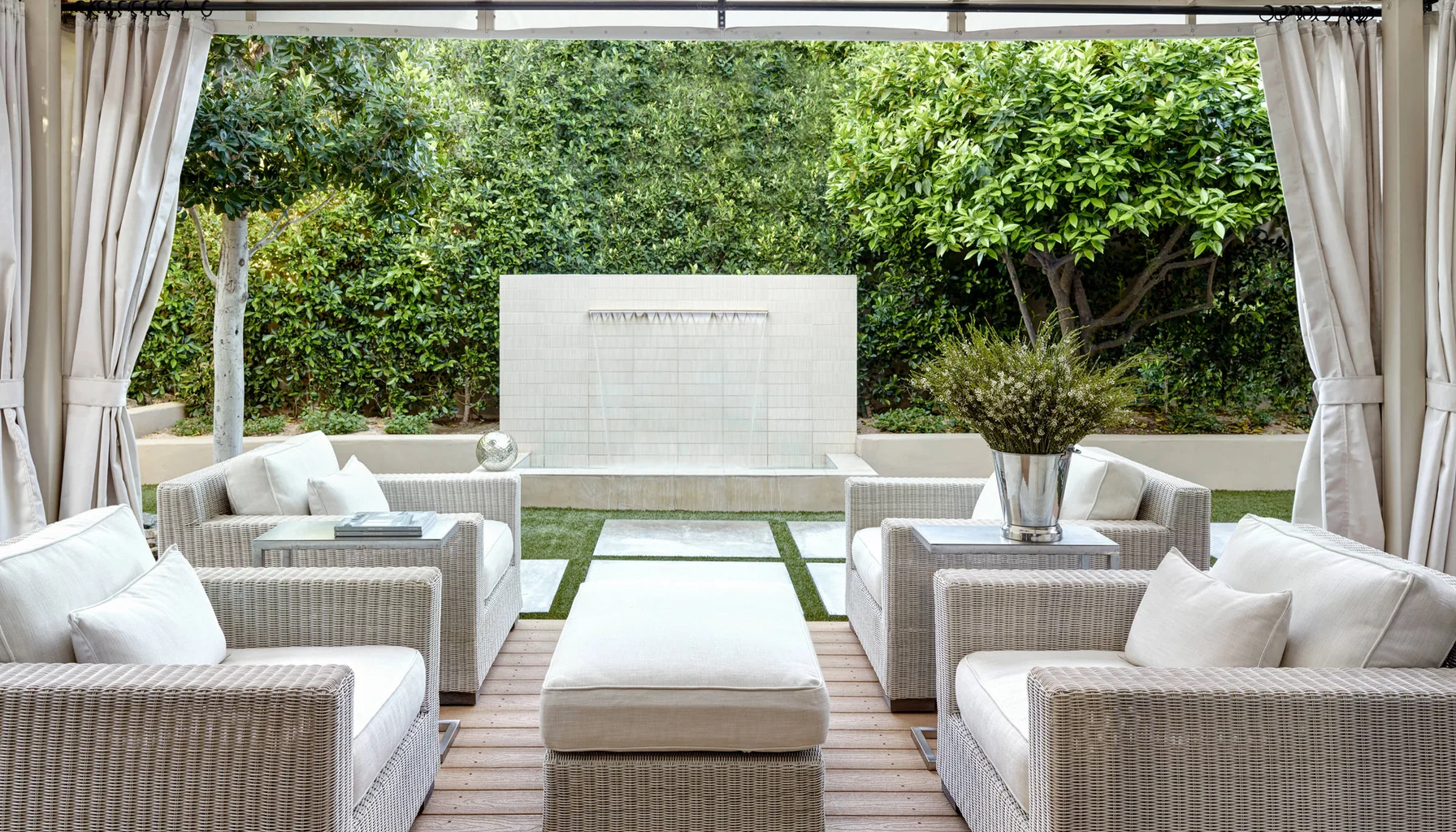
A self-contained recirculating basalt stone fountain adds calming acoustics that mask traffic noise. Small pump kits consume around 25 to 50 watts of electricity daily. Submersible pumps need monthly cleaning to prevent mineral scaling in hard water zones.
13. Container Garden Layering
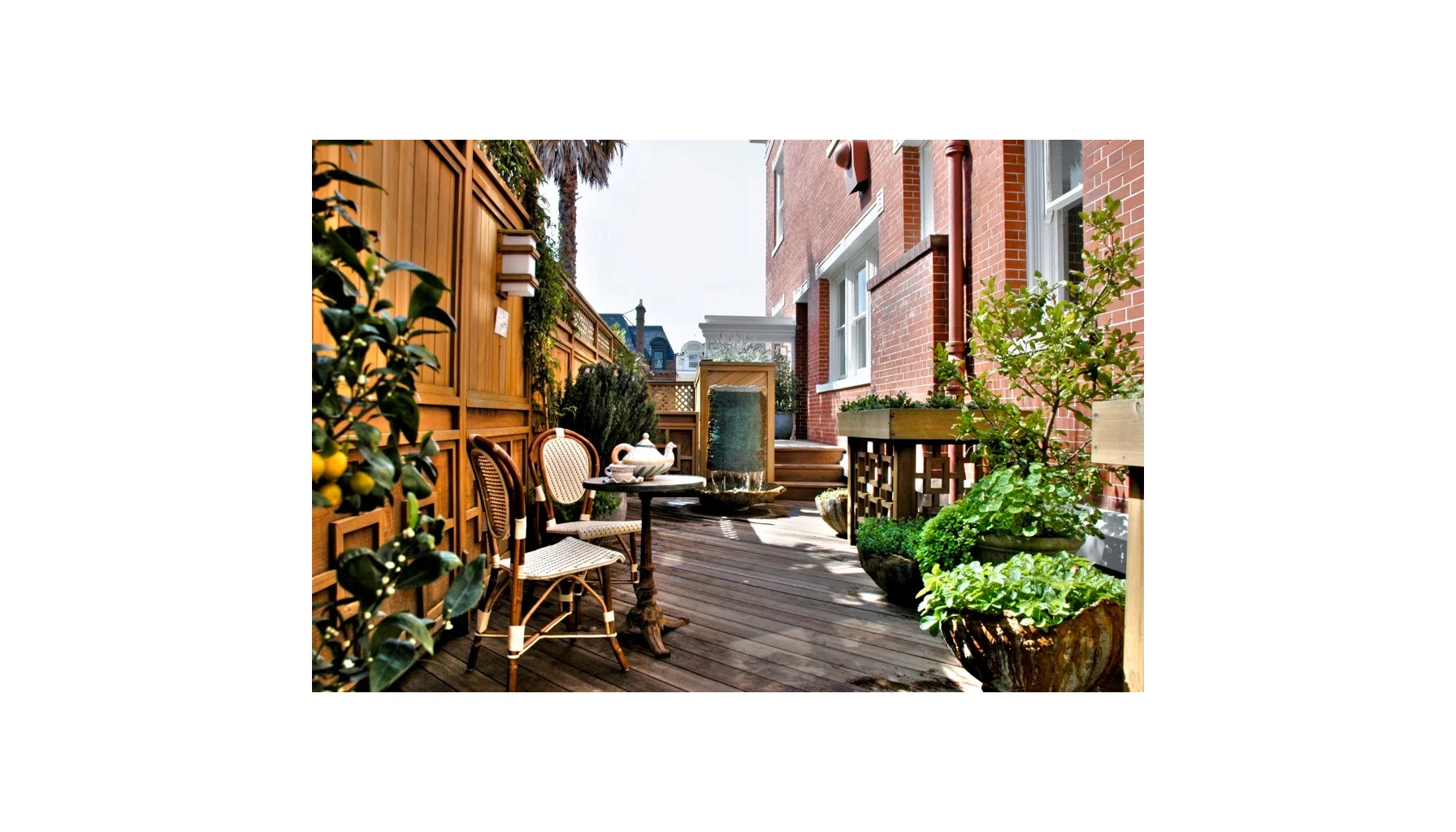
Grouping terracotta, glazed ceramic, and lightweight fiber-cement pots generates visual depth without permanent construction. Cluster pots in groups of 3 or 5 items using varied heights from 12 to 36 inches. Use pot feet to ensure drainage holes remain unobstructed on flat surfaces.
14. Outdoor Kitchen Station
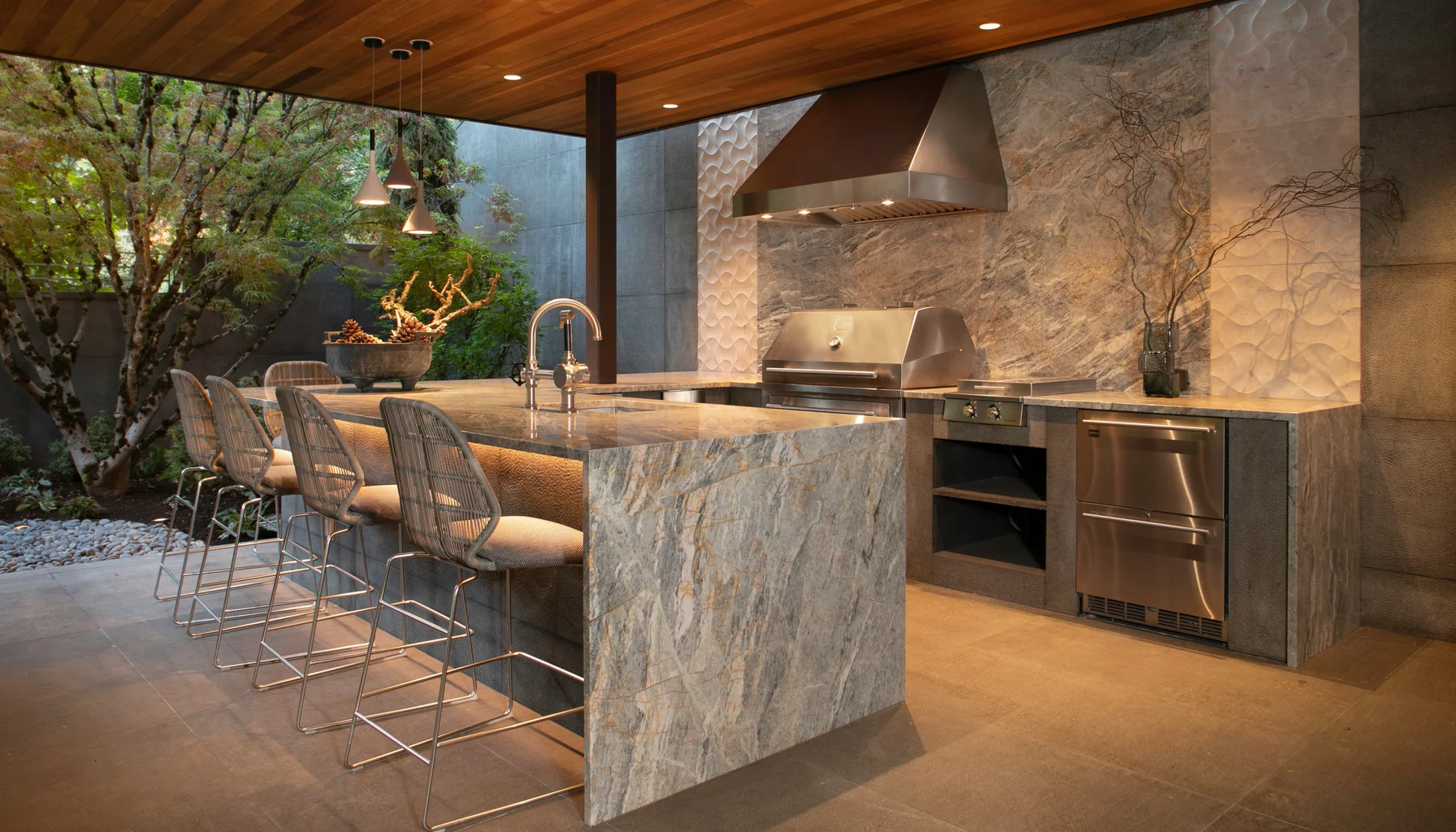
Integrating a 304 stainless steel grill, marine-grade polymer cabinets, and granite countertops turns cooking into an event. Basic setups start near $5,000, rising with gas and electrical runs. Place counters 36 inches high for comfortable meal preparation.
15. Freestanding Hammock Retreat
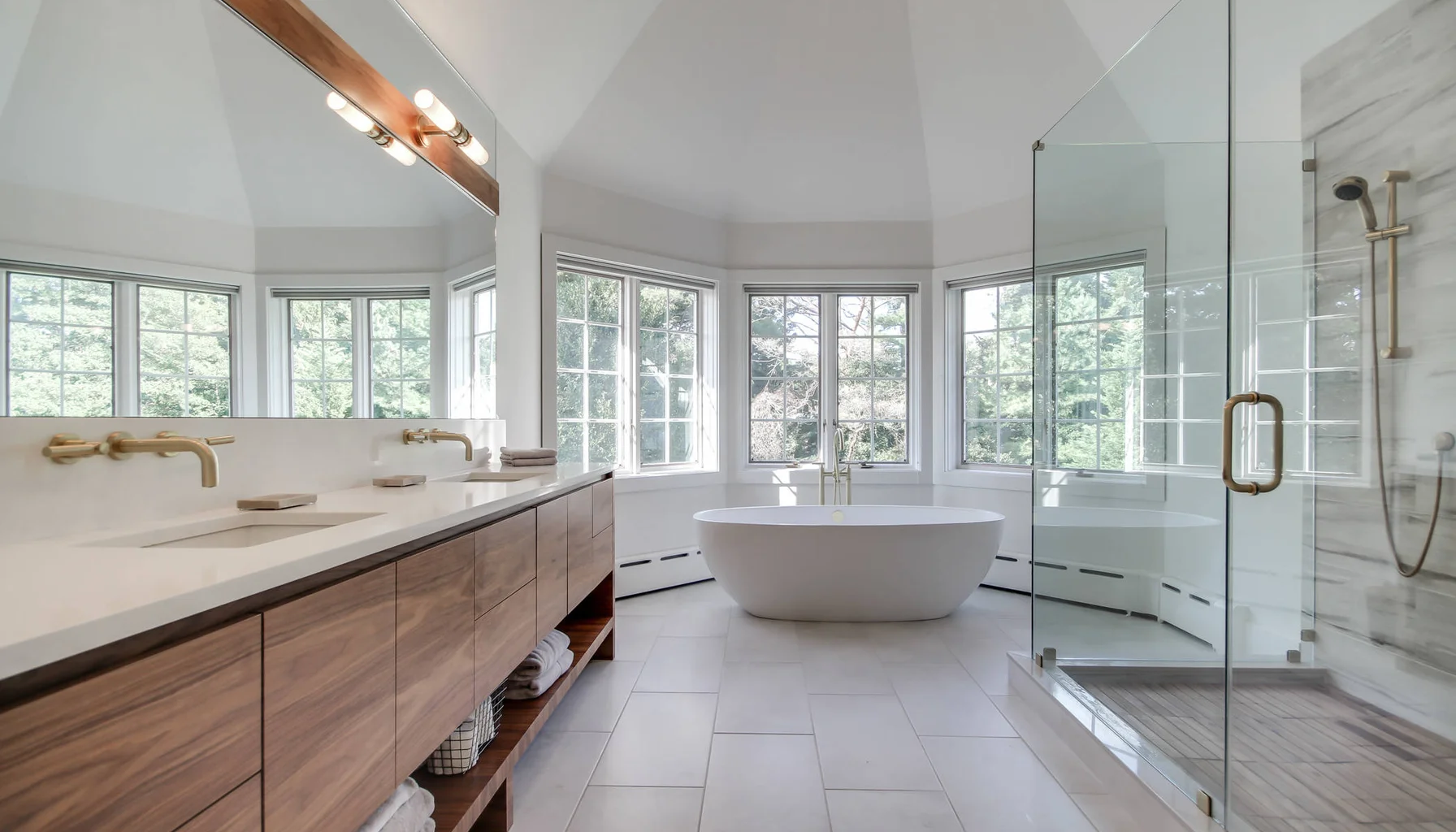
Installing a powder-coated steel hammock stand or mounting posts into 12-inch-wide concrete footings provides relaxing lounge space. Use weatherproof olefin woven rope to prevent sun degradation. Allow 12 to 15 feet between anchor points for proper sag balance.
16. Bamboo Privacy Screen
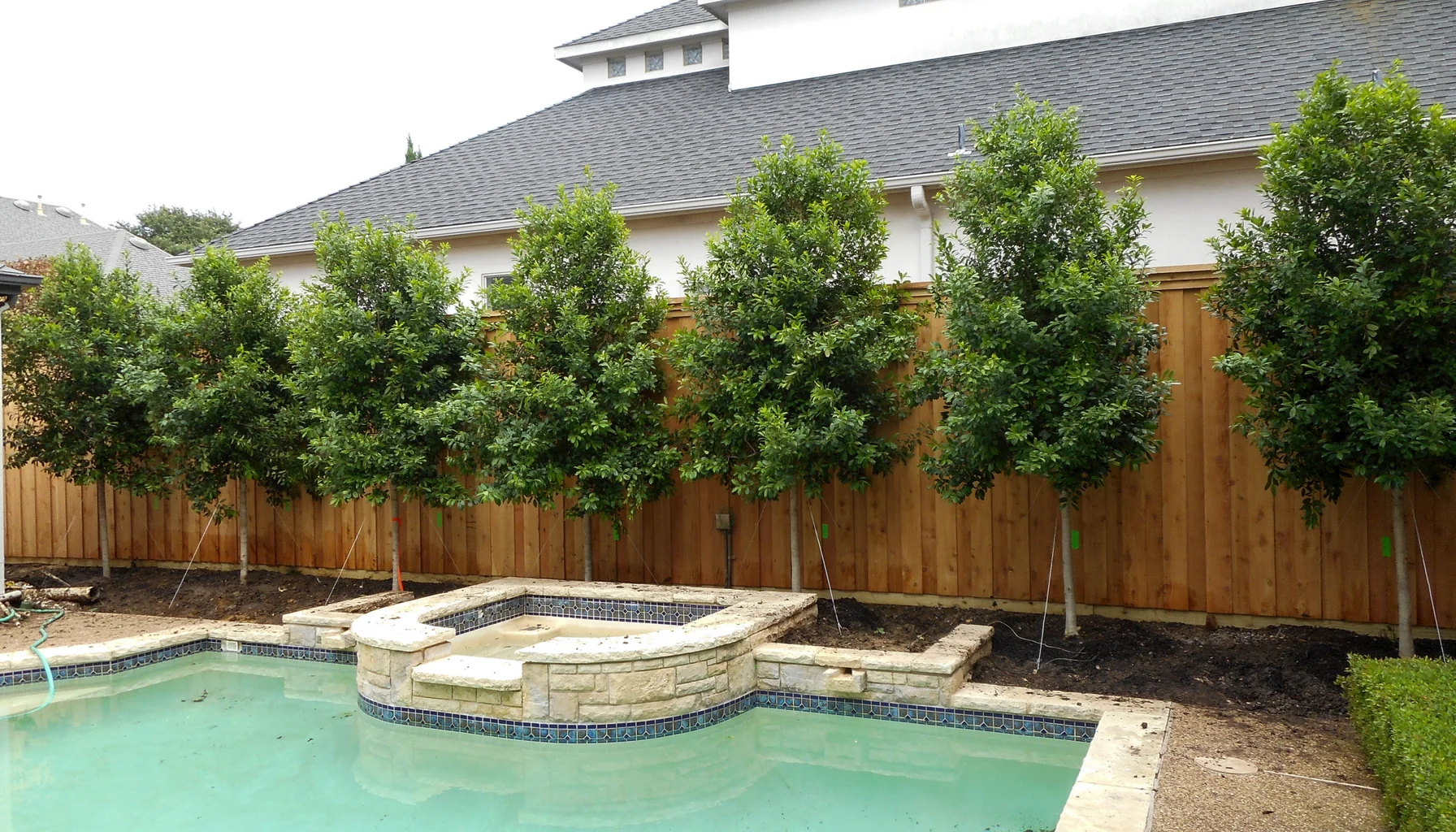
Planting clumping bamboo species like Fargesia rufa inside narrow planters yields quick vertical screening up to 10 feet high. Unlike running varieties, clumping types won't invade neighboring turf. Space individual stalks 24 inches apart for dense year-round foliage.
17. Integrated Solar Footlights
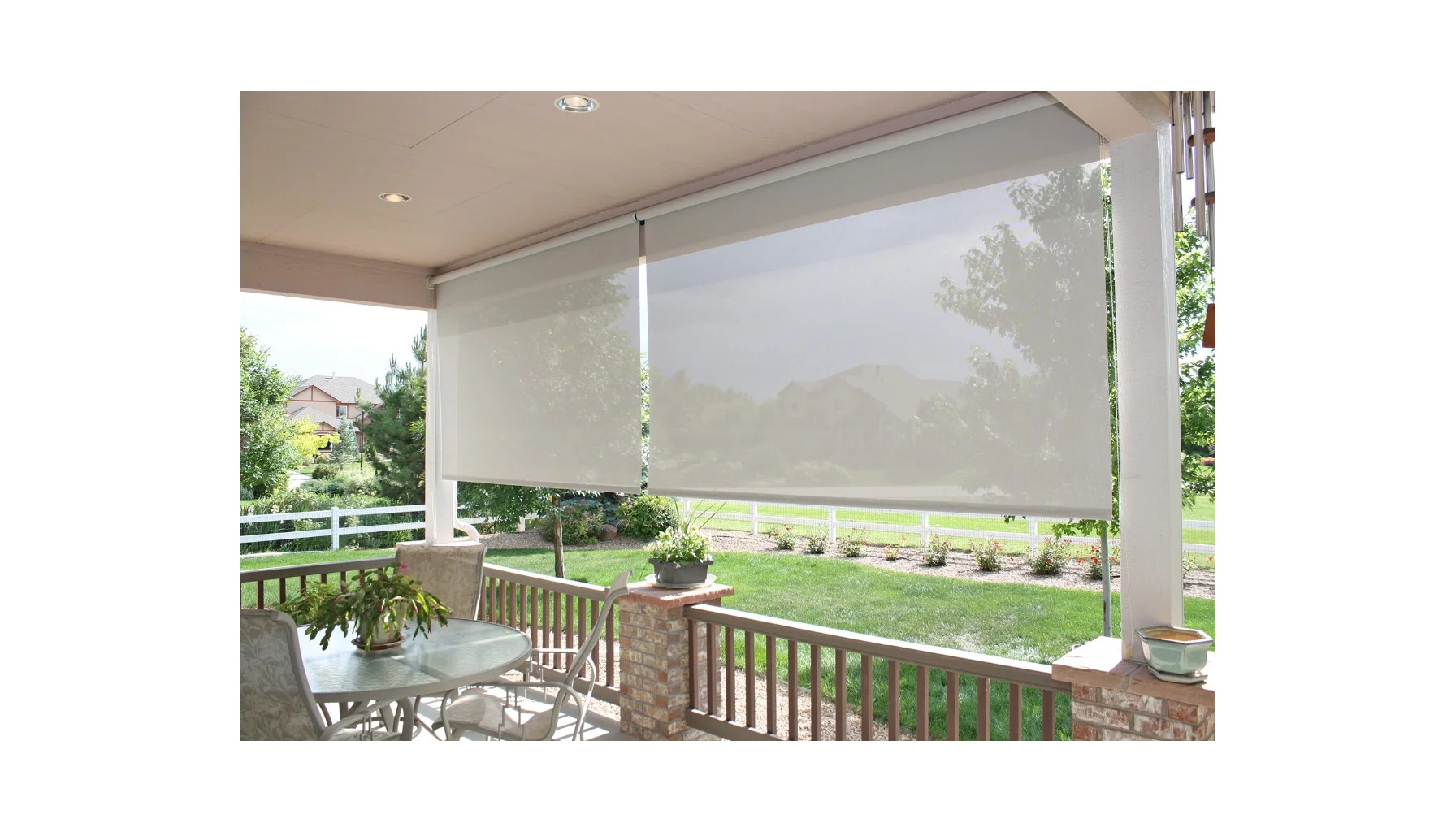
Flush-mounted low-voltage LED puck lights set directly into deck boards or paver borders mark walkways safely. Choosing lights rated at 50 lumens or higher ensures clear pathways without harsh glare. Stainless steel housings protect fixtures from lawnmower strikes and foot traffic.
18. Tiered Decking Transition
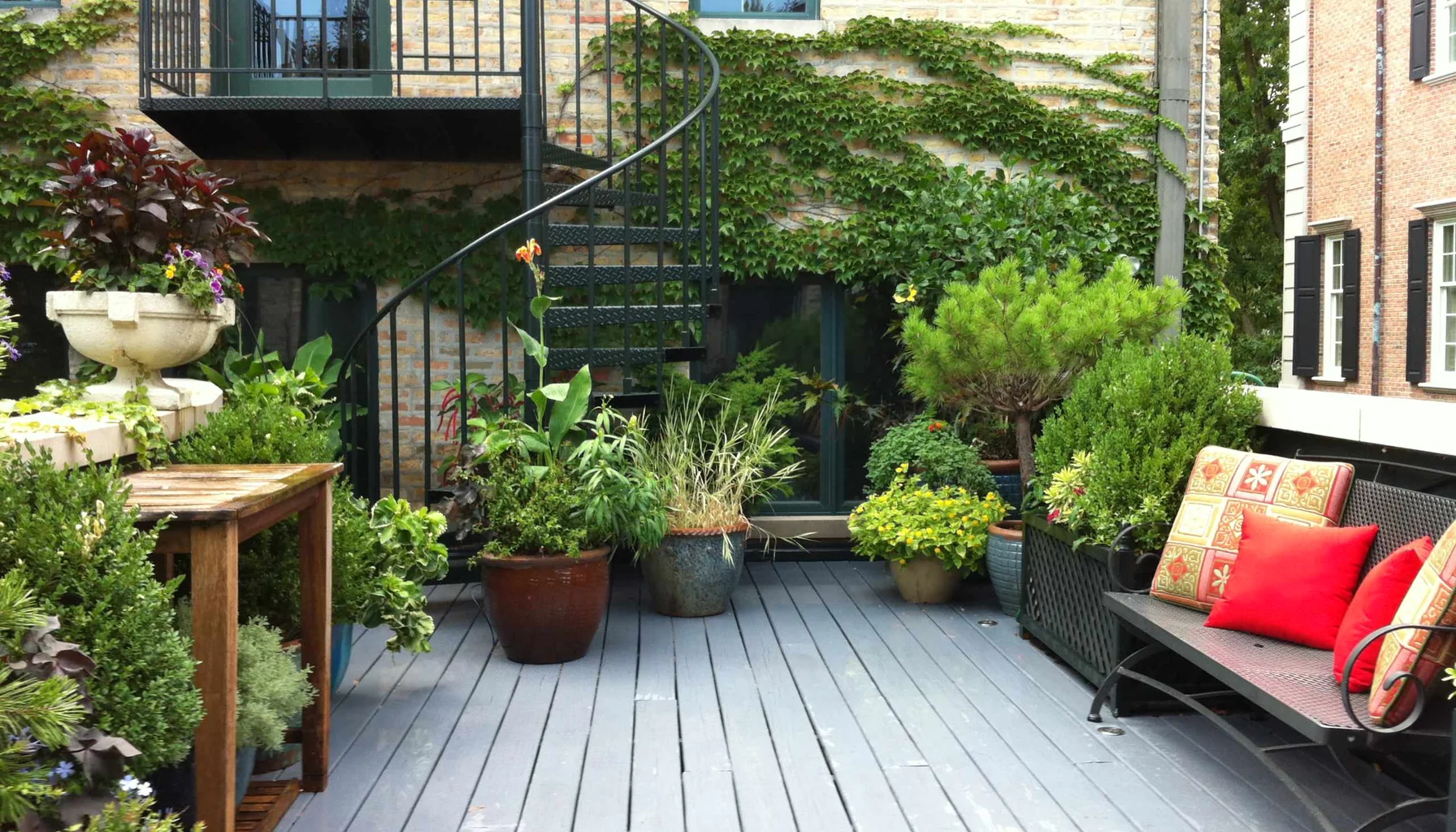
A multi-level layout made from capped composite decking breaks sloped backyards into distinct outdoor zones. Construction averages $35 to $60 per square foot installed. Keep stair risers at 6 to 7 inches for comfortable transitions between levels.
19. Weatherproof Rug Anchor
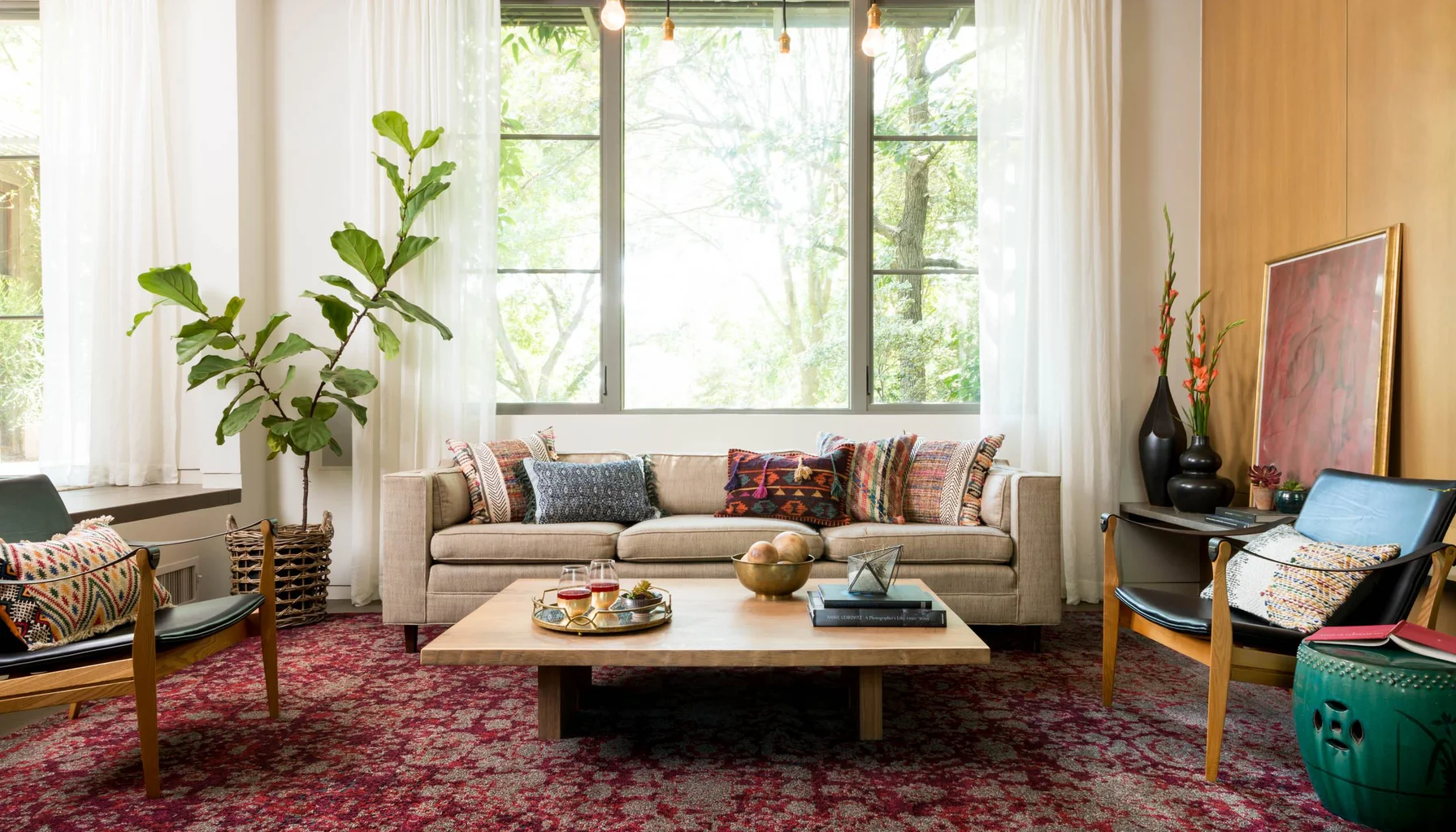
Laying an outdoor polypropylene area rug anchors patio furniture while adding texture underfoot. Synthetic fibers resist mold and dry quickly after heavy rain. Clean annually using a mild biodegradable dish soap and a garden hose spray down.
20. Built-In Bar Counter
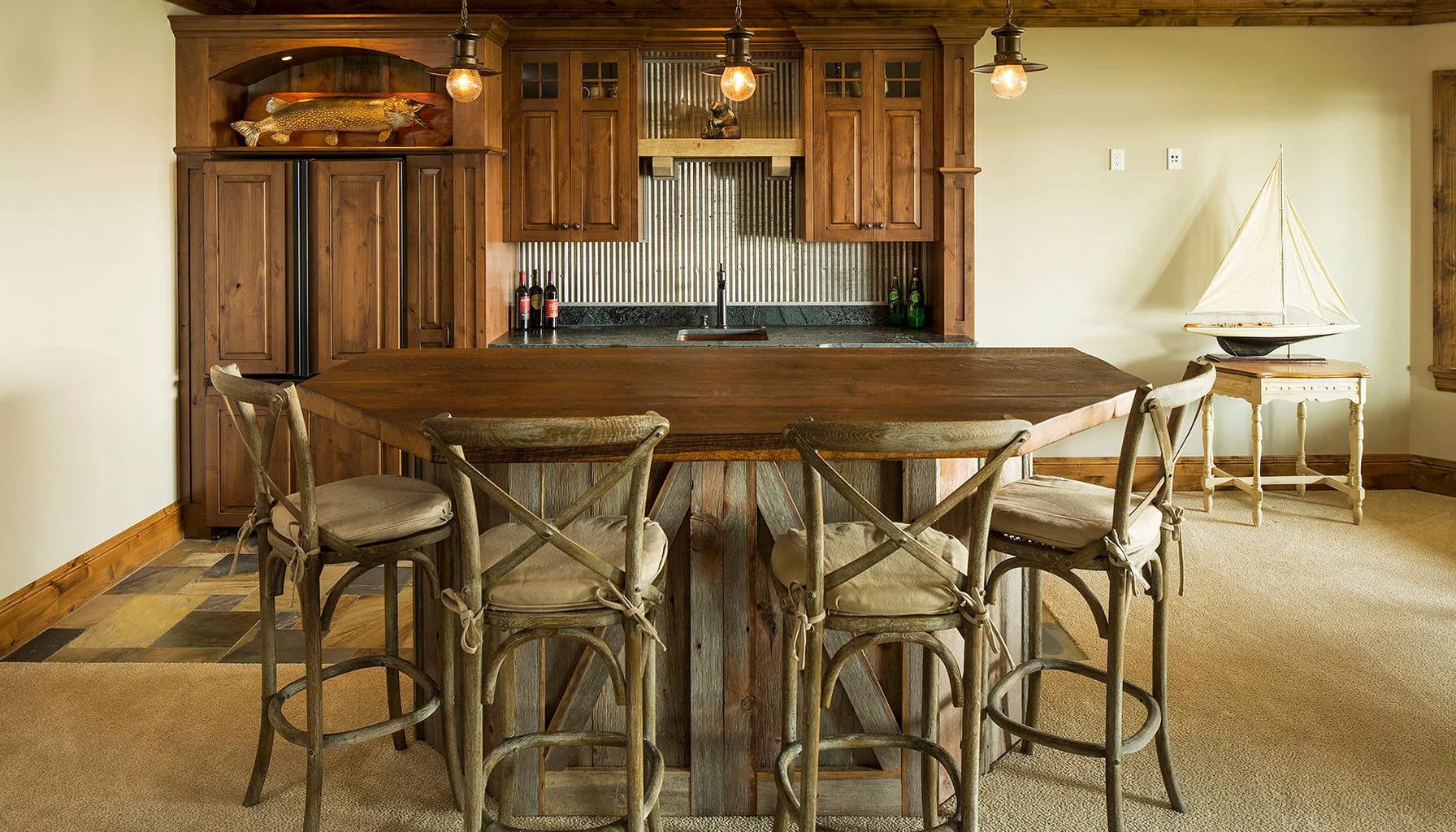
Attaching an overhanging quartz or concrete ledge to an exterior windowsill or railing creates a casual bar area. Set counter height at 42 inches, paired with 30-inch barstools. A 12-inch overhang gives guests adequate legroom while seated.
21. Native Perennial Borders
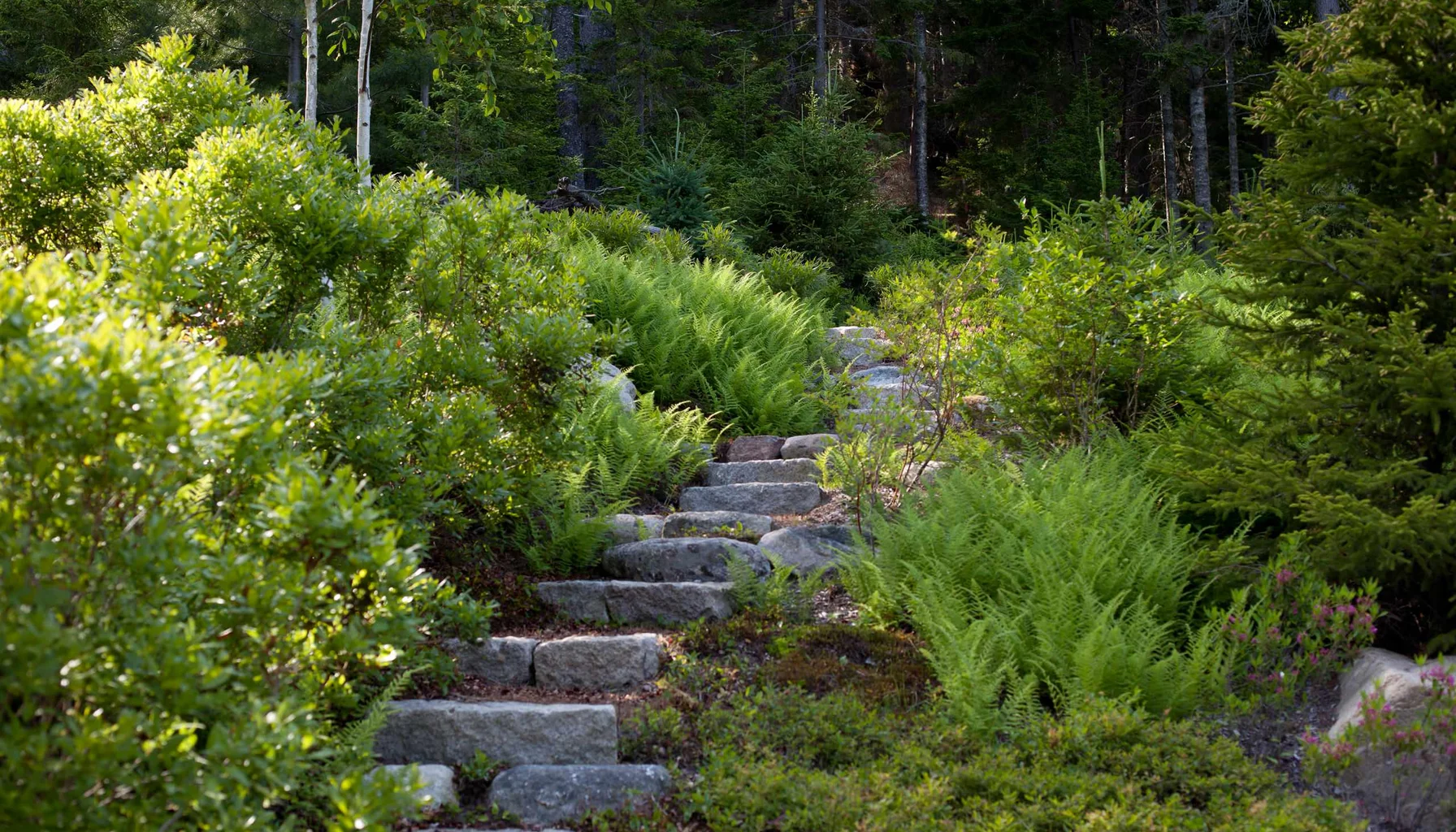
Flanking hardscapes with native plants like black-eyed susans, purple coneflowers, and salvia reduces water usage by up to 50 percent. Native species adapt to local soil conditions without requiring synthetic fertilizers. Group plants according to matching sunlight requirements for uniform growth.
Frequently Asked Questions
What is the cheapest flooring option for an outdoor patio?
Pea gravel combined with concrete pavers is the most cost-effective foundation, averaging $5 to $10 per square foot. Material and shipping costs vary depending on regional quarry distances and site preparation requirements.
How do you choose between composite decking and natural stone pavers?
Composite decking works best on sloped terrain requiring elevated structures, lasting 25 to 30 years with minimal maintenance. Natural stone pavers suit flat ground better, lasting over 50 years but requiring occasional resealing.
What lighting setup works best for outdoor living spaces?
Combining 2700K LED festoon lights overhead with low-voltage path pucks along edges creates balanced illumination. Solar options reduce electrical installation costs, though hardwired 12V transformer systems offer reliable year-round brightness.
Conclusion
Upgrading a backyard relies on choosing durable materials, balancing open space with structured seating, and adding functional features like lighting or shade structures. Begin your transformation by selecting one primary hardscape material and measuring your available space to calculate exact square footage needs.